
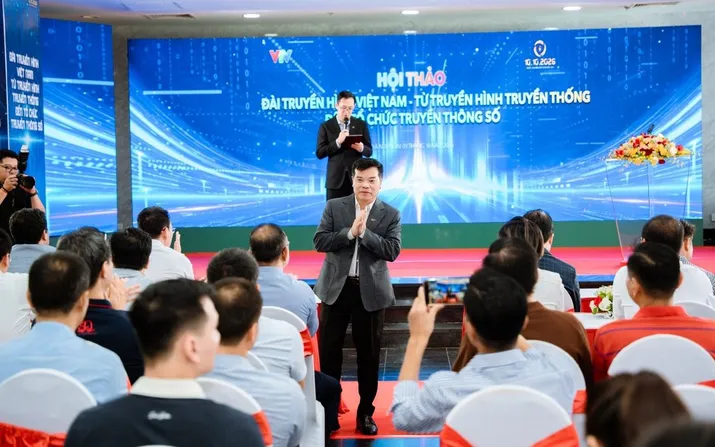
At a workshop held on October 9, 2026, in response to National Digital Transformation Day, VTV highlighted the importance of overhauling its organisational model, content production, data governance and workforce development, placing audiences at the centre, and using data as the foundation and AI as a driving force.
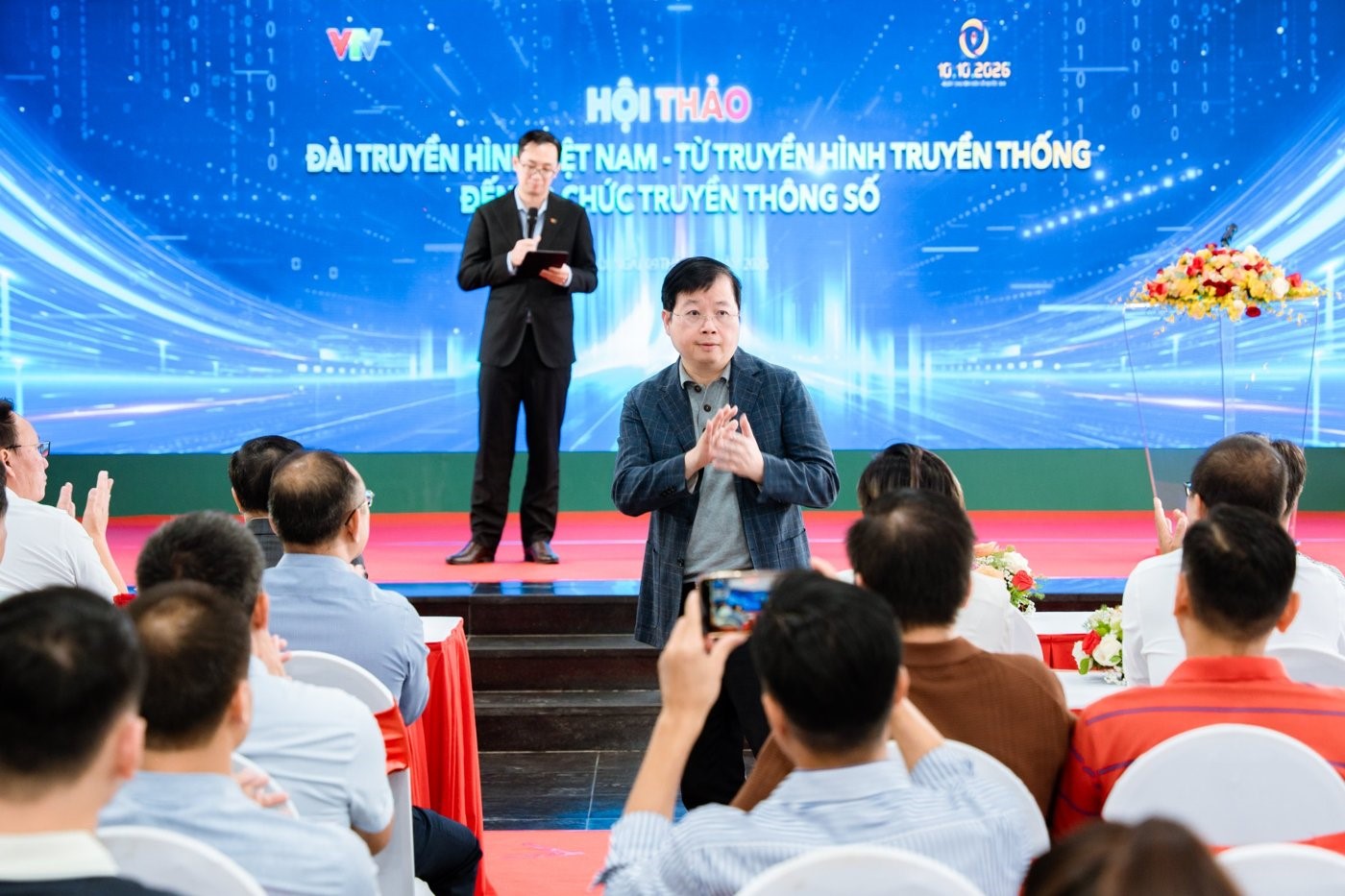
Nguyen Thanh Lam, member of the Party Central Committee, Deputy Head of the Party Central Committee’s Commission for Propaganda and Mass Mobilisation, and President of Vietnam Television, at the workshop.
Greater standing, greater responsibility
VTV Vice President Dinh Dac Vinh said digital transformation is a political task that will help VTV strengthen its role in delivering authoritative information across digital platforms, thus realising its guiding principle of “Everyone, Anytime, Anywhere, Insightful, Engaging”.
VTV has identified 2026 as the year to accelerate this transformation by building a unified digital architecture, standardising data and expanding the use of AI, all the while ensuring that editorial responsibility remains firmly in human hands.
Transforming operations, preserving the mission
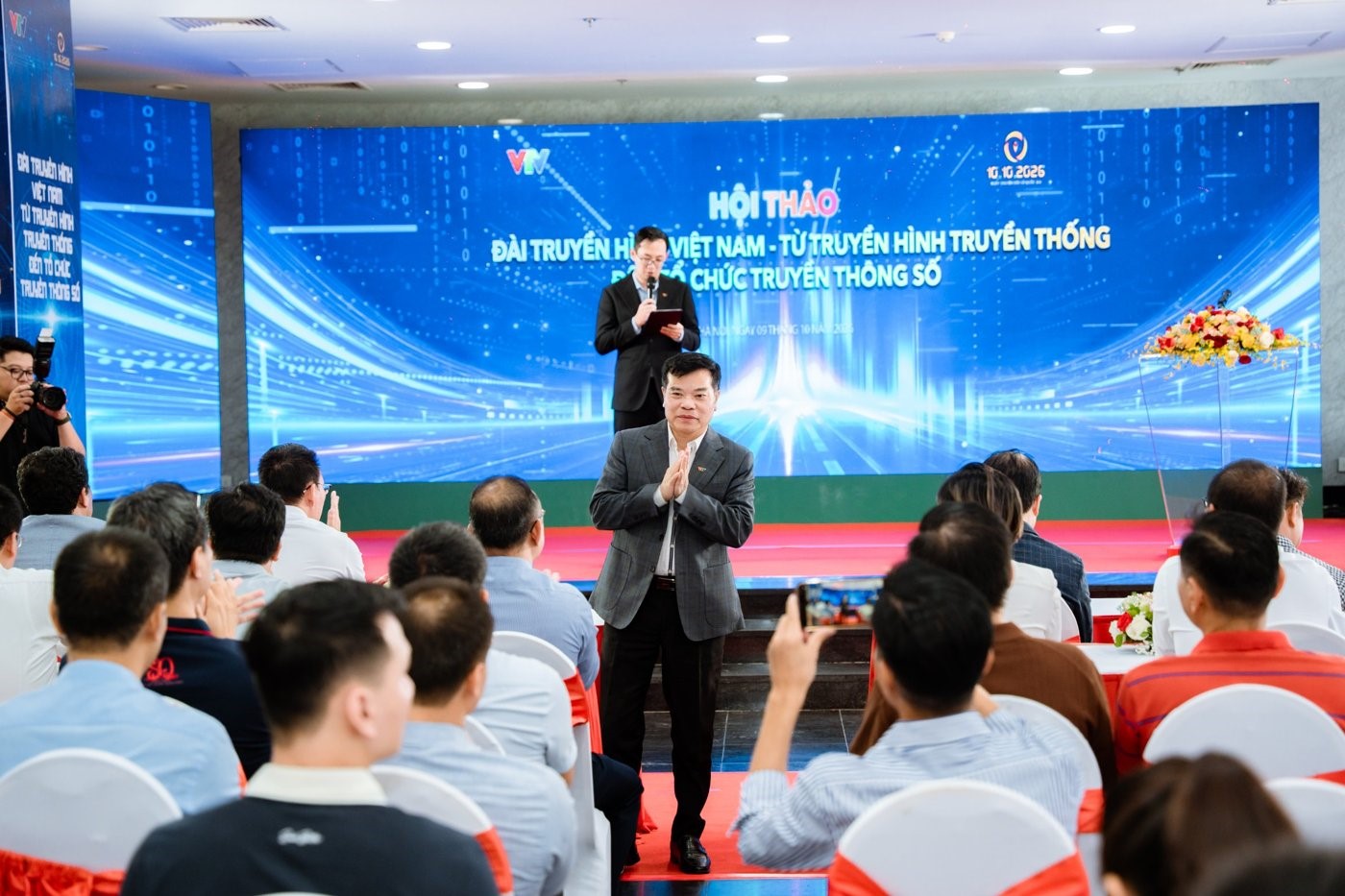
The workshop “Vietnam Television - From traditional broadcasting to a digital media organisation”, Hanoi, October 9, 2026.
By 2030, VTV aims to have become a modern national digital media organisation operating across multiple platforms and powered by data and AI, while continuing to uphold accuracy, credibility and social responsibility.
Learning from international experience without copying
Through study visits to HBS, RTHK and TVB, as well as international technology exhibitions, VTV has concluded that transformation must be coordinated across the organisation, its workflows, its data and its technology, while remaining suited to its own practical conditions.
Five strategic priorities
The five key priorities identified by VTV are: putting audiences at the centre and developing VTVgo; maximising the value of content assets across platforms; establishing a unified technology architecture; strengthening data-driven management; and building shared AI capabilities across the organisation.

Delegates discuss technology infrastructure solutions at the exhibition held alongside the workshop.
One VTV: Stronger through integration, not centralisation
The One VTV approach is designed to align strategy and connect content and data and integrate shared platforms across the organisation, while preserving the initiative and creativity of individual units.
Technology can be bought, but capability must be built
VTV is placing strong emphasis on developing digital talent, creating a VTV 2030 Capability Map, and strengthening its ability to master core technologies.
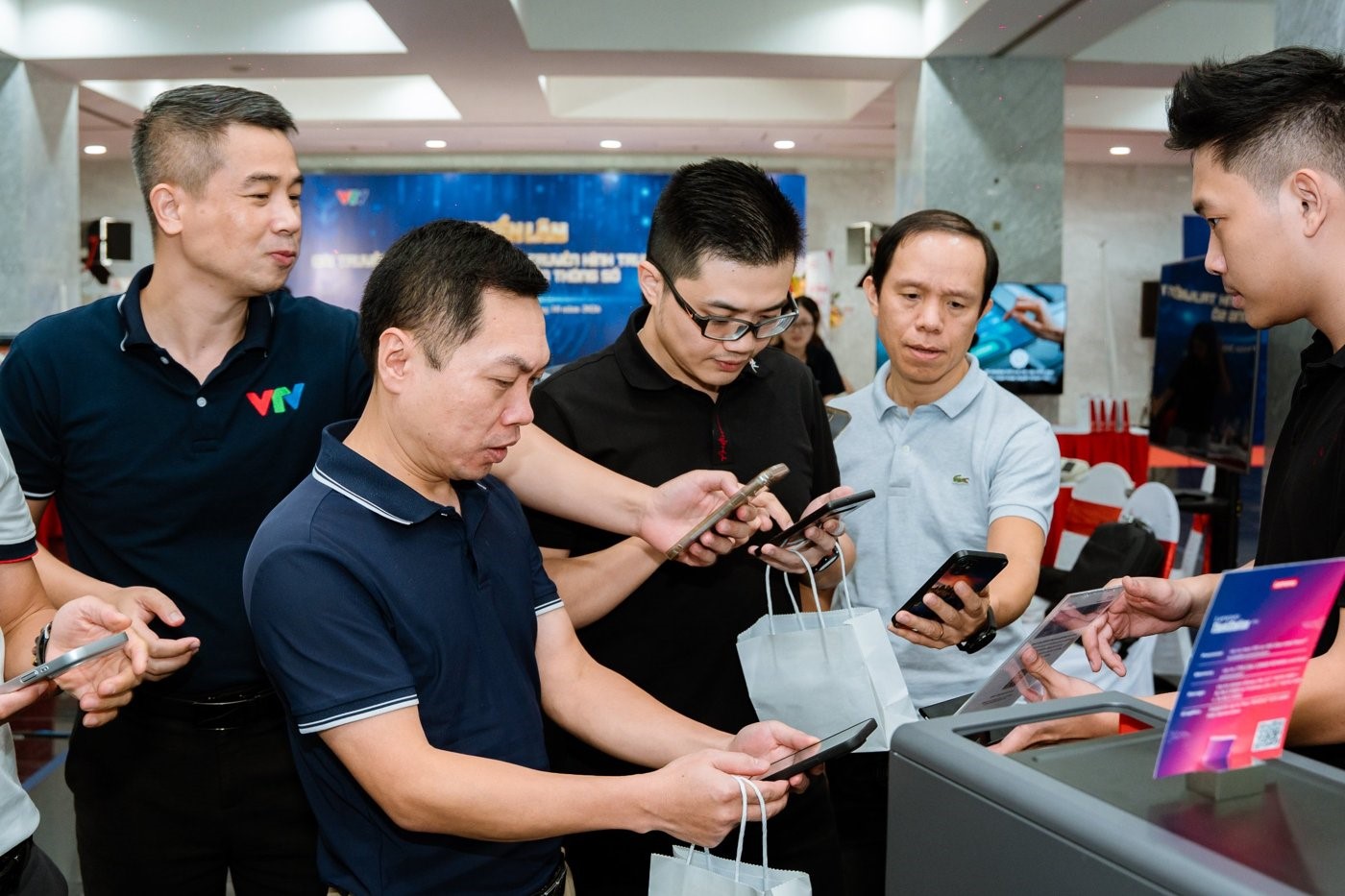
Delegates experience digital applications and solutions at the exhibition.
From vision to action
During 2026-2027, VTV will prioritise the completion of its digital architecture, the piloting of multi-platform production and AI applications, the standardisation of data, the testing of emerging technologies, the renewal of management practices, and the scaling up of effective initiatives. Information security must be built into systems from the design stage.
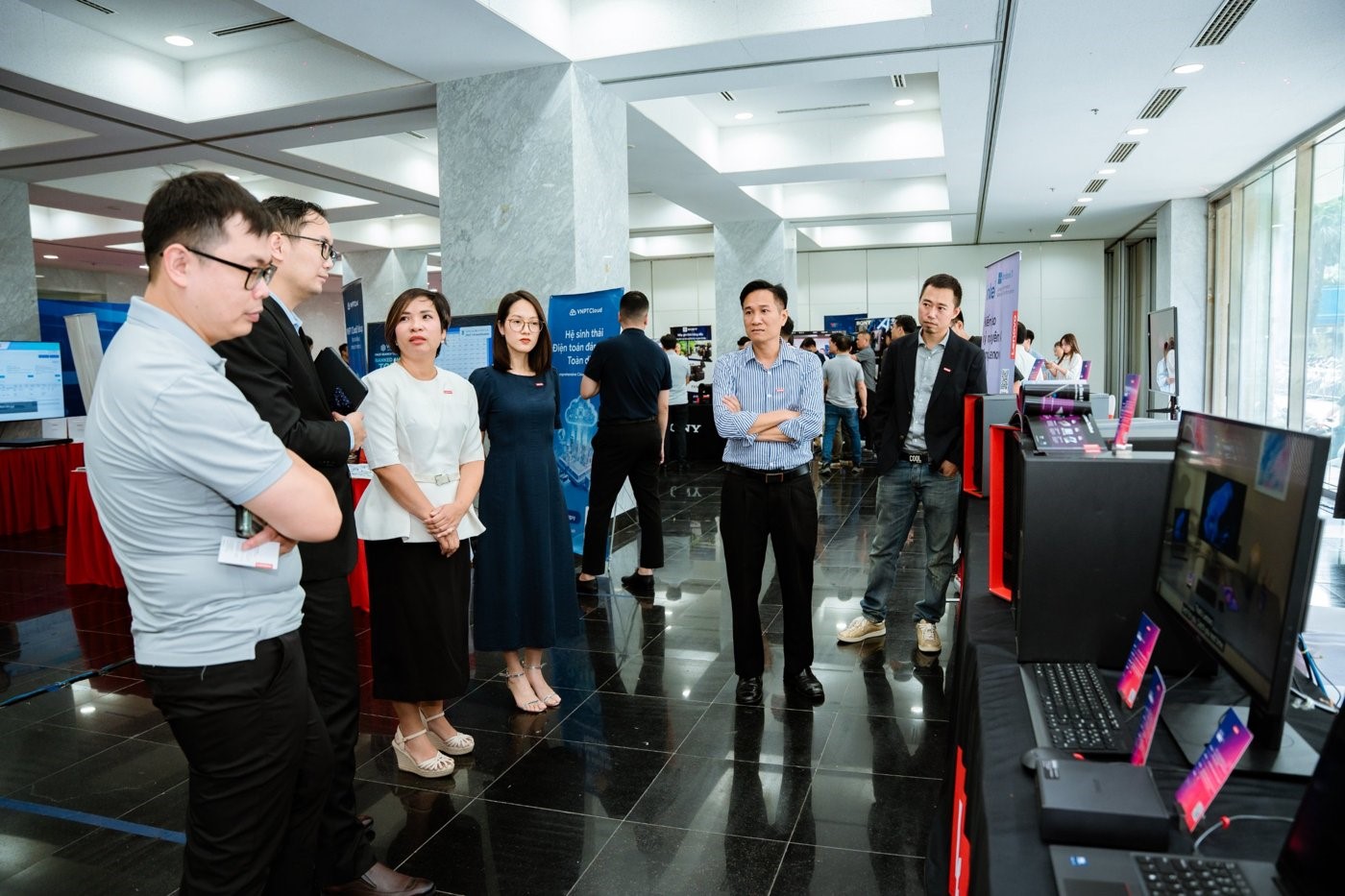
The exhibition features solutions from technology companies in cloud computing, AI and digital content production infrastructure.
Living up to the role of the national broadcaster
VTV Vice President Dinh Dac Vinh emphasised: “Technology must serve content. Data and AI must serve people”. He added that every transformation initiative must deliver tangible results, serve audiences better and reinforce VTV’s standing as Vietnam’s national broadcaster.


