
A television breakthrough: When nature takes the “director’s chair” across five captivating livestreams
From June 25 to 29, 2026, Vietnam Wild Live, Vietnam’s first live wildlife television project, officially aired. By choosing Con Dao National Park as its first destination, the project marked an unprecedented milestone in VTV’s production history.
Unlike a controlled studio environment or a carefully staged event, Vietnam Wild Live placed its production team in a constantly changing natural environment shaped by wildlife, weather and other unpredictable conditions. During two hours of live broadcasting each day, viewers will see nature unfold exactly as it happened.

The production team behind the first season of Vietnam Wild Live.


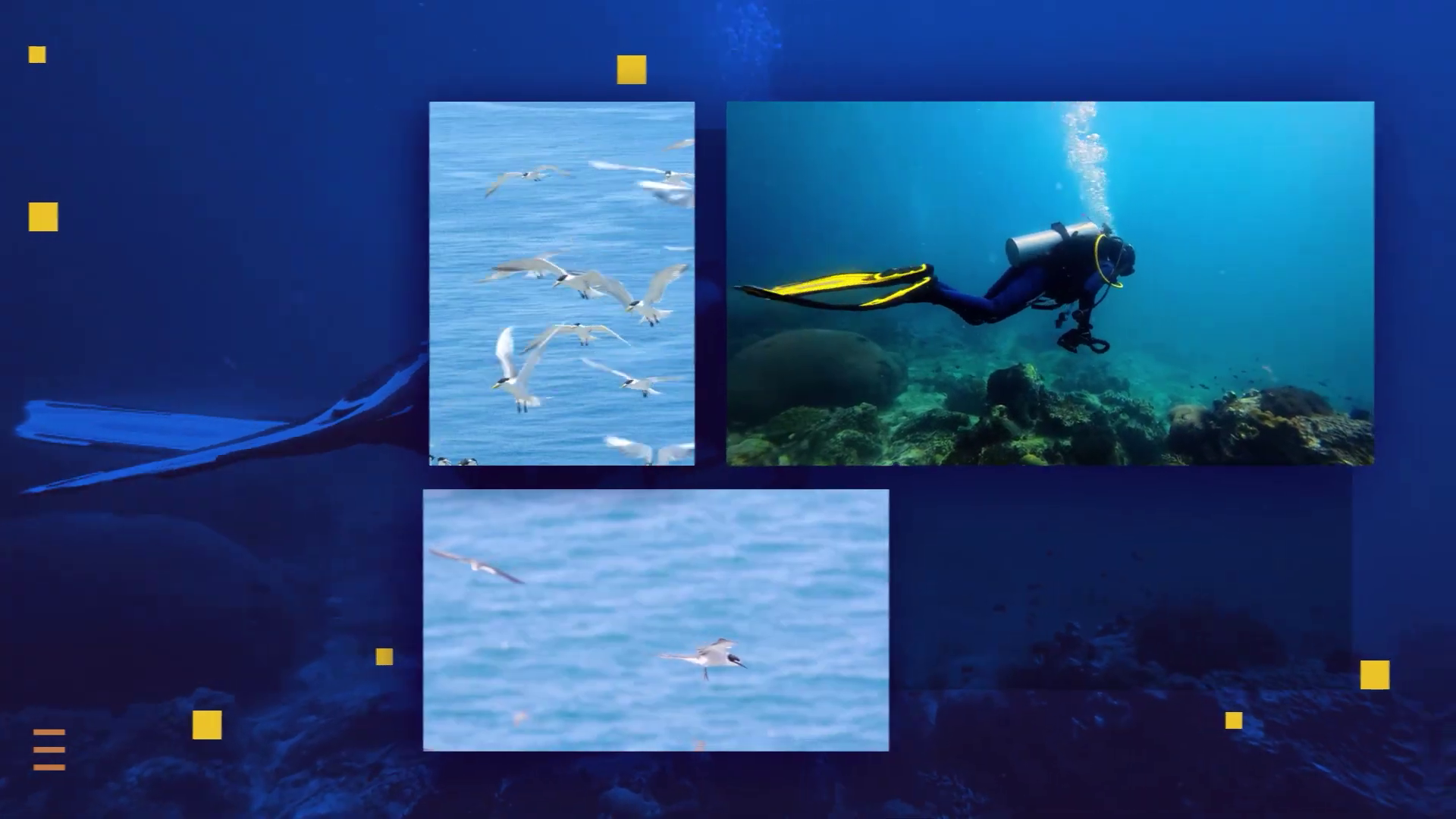
The first livestream, titled “Hon Trung Paradise”, took place at a site that was recently recognised in the Vietnam Records book for having the country’s highest density of breeding seabirds.
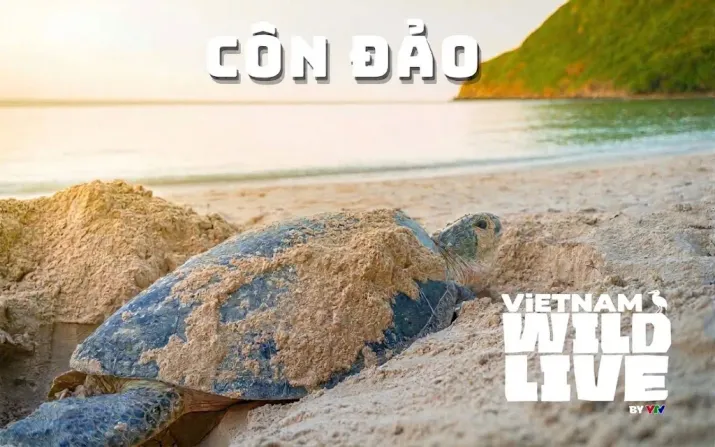
The second livestream, took place in Hon Bay Canh mangrove forest, took viewers deep into the mangrove ecosystem and the habitat of sea turtles.


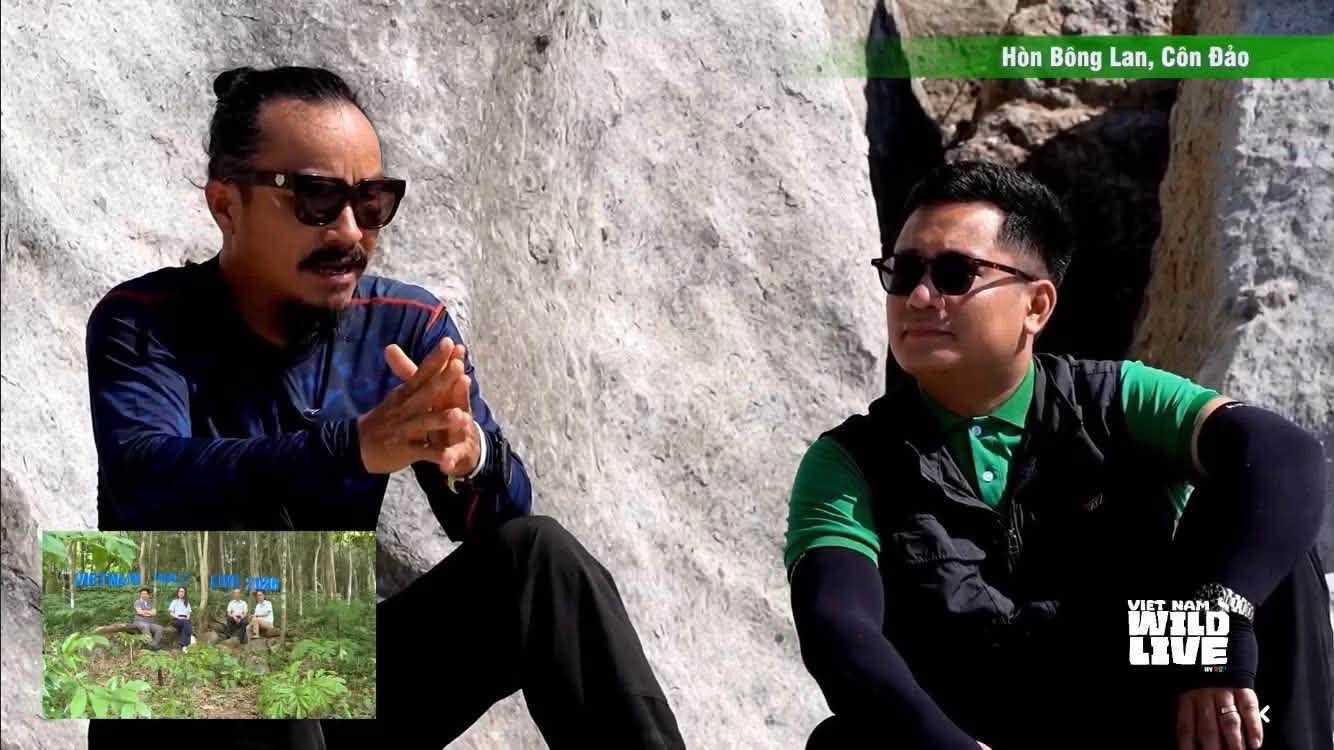
The third and fourth livestreams, titled "Mysteries of Hon Bong Lan", took audiences underwater to explore vibrant coral ecosystems.
The journey concluded with the fifth livestream, which featured the main island of Con Dao and its iconic destinations, such as Lo Voi Cape and Nhat Beach.
The spirit behind the scenes is one of adapting to every challenge as it arises
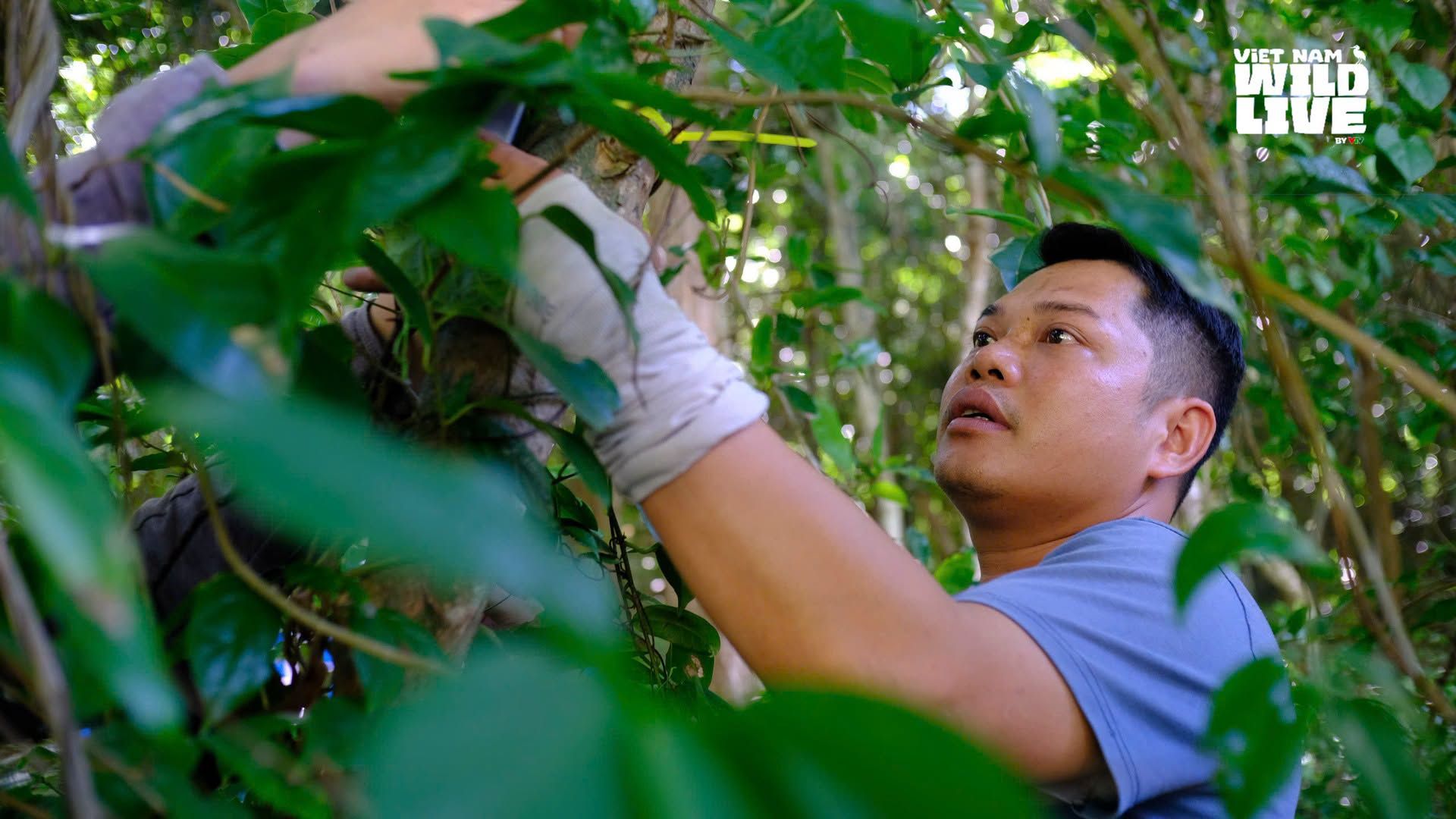
According to the VTV production team, transmitting a live television signal from forests and offshore islands was one of the toughest challenges they had ever faced. On Vietnam Wild Live, nature was the true “director”. The directors and editors said that their carefully prepared scripts often became almost irrelevant once filming began. They had to change their plans minute by minute, with field directors and presenters improvising their commentary live to match the actual behaviour of the wildlife in front of the cameras.
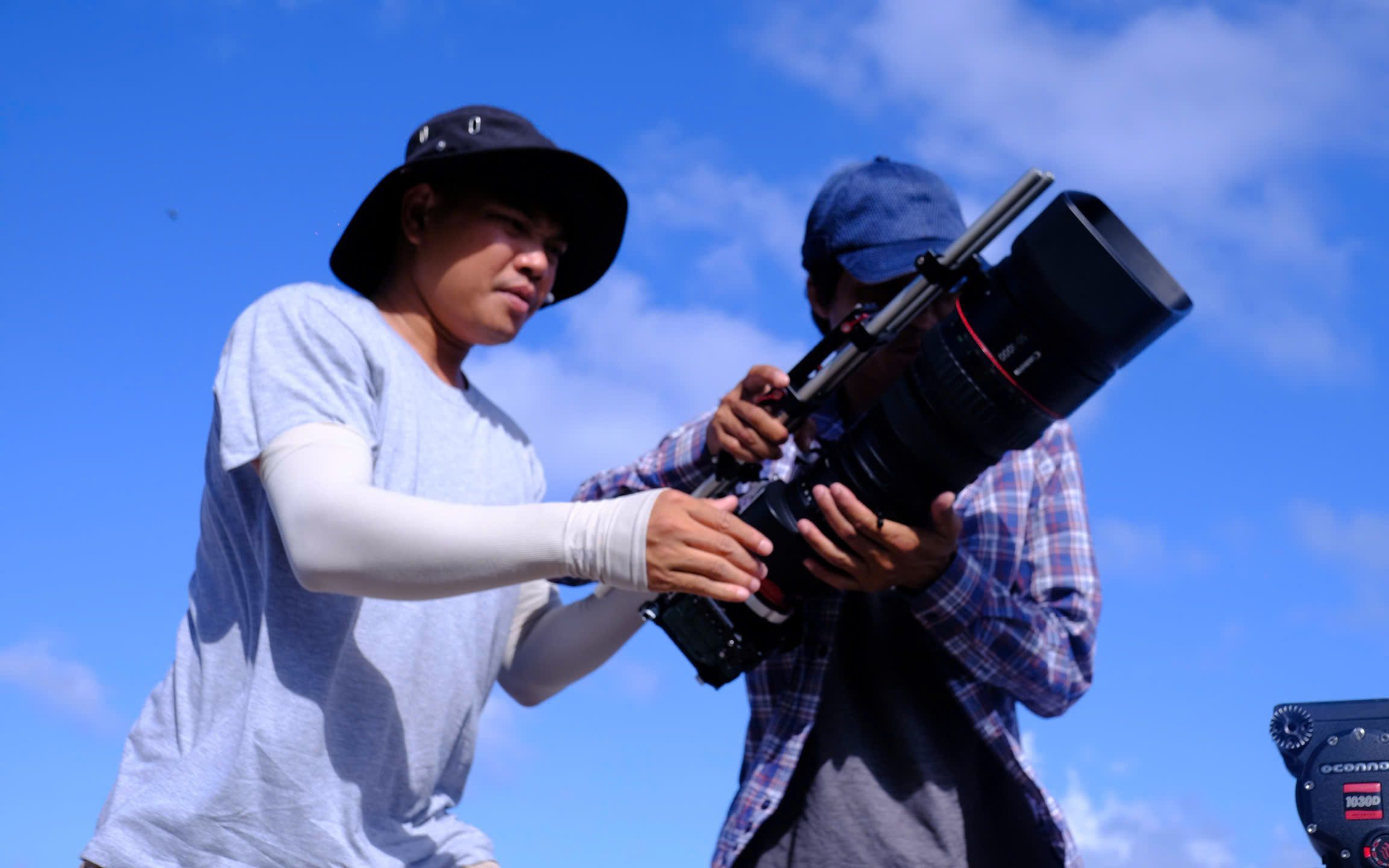

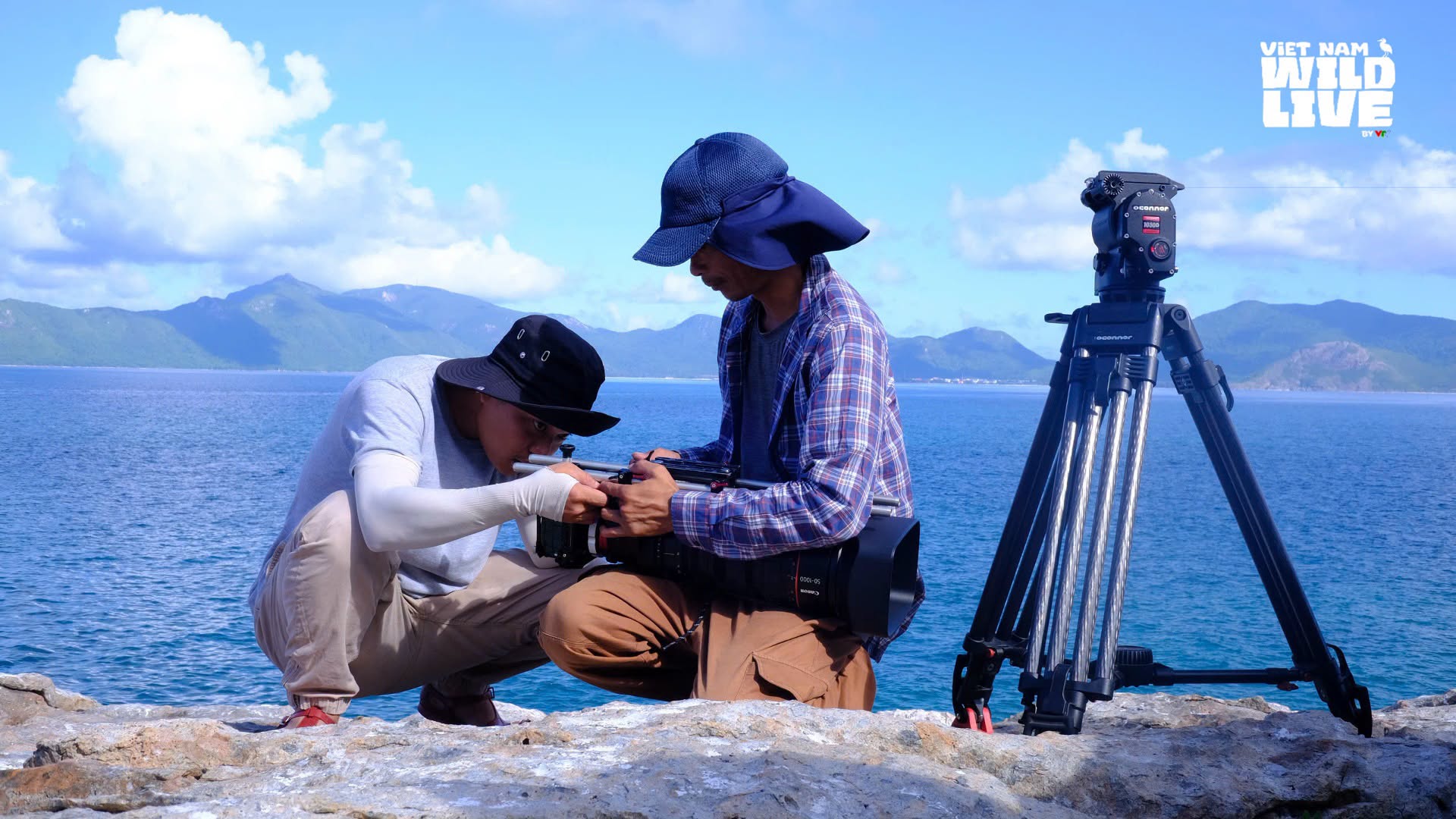
Without the support of an outside broadcast truck, dozens of kilograms of equipment had to be packed into backpacks for use in the field.

Throughout production, the principle of “no intervention” was strictly observed. The crew minimised noise and relied on telephoto lenses to film birds from a distance. Under strict guidance from Con Dao National Park rangers, smoking was completely prohibited, as even a small amount of smoke or an unfamiliar smell could frighten sea turtles and prevent them from coming ashore to lay eggs.

Throughout production, the principle of “no intervention” was strictly observed. The crew minimised noise and relied on telephoto lenses to film birds from a distance. Under strict guidance from Con Dao National Park rangers, smoking was completely prohibited, as even a small amount of smoke or an unfamiliar smell could frighten sea turtles and prevent them from coming ashore to lay eggs.
The “speaking numbers” from the VTV Ratings system
The appeal of Vietnam Wild Live was reflected not only in its innovative format but also in audience data from VTV Ratings, VTV’s television audience measurement system. Data for VTV2 in the Northern Midlands and Mountainous Region showed particularly encouraging results.

Most viewers watched the programme live rather than via time-shifted viewing. Each live broadcast on VTV2 reached an average of 149,566 viewers, equivalent to a 1.67% reach in the surveyed region. The average viewing time was 17.59 minutes per viewer per broadcast, representing around 14% of the programme’s total running time.

Beyond offering a unique visual experience, Vietnam Wild Live carried a broader mission: “Connecting with nature, spreading awareness”. The project used VTV’s multi-platform ecosystem to reach a wider audience, with all five episodes available on VTVgo. The Vietnamese-language version also aired on VTV4 at 6:15 P.M, while the English-language version was broadcast on Vietnam Today at 2:15 P.M.
By the end of its first season, Vietnam Wild Live had demonstrated VTV’s ability to deliver complex live productions in challenging field conditions, while introducing a new television format and encouraging audiences to appreciate and protect Vietnam’s natural heritage.


