Breast Augmentation Complications: Capsular Contracture, Implant Rupture, Infection

In recent years, breast augmentation has become a familiar and rapidly growing aesthetic procedure in Vietnam. Alongside reputable clinics with experienced surgeons, there has also been a rise in unlicensed cosmetic facilities — leading to numerous cases of women experiencing serious complications following breast surgery.
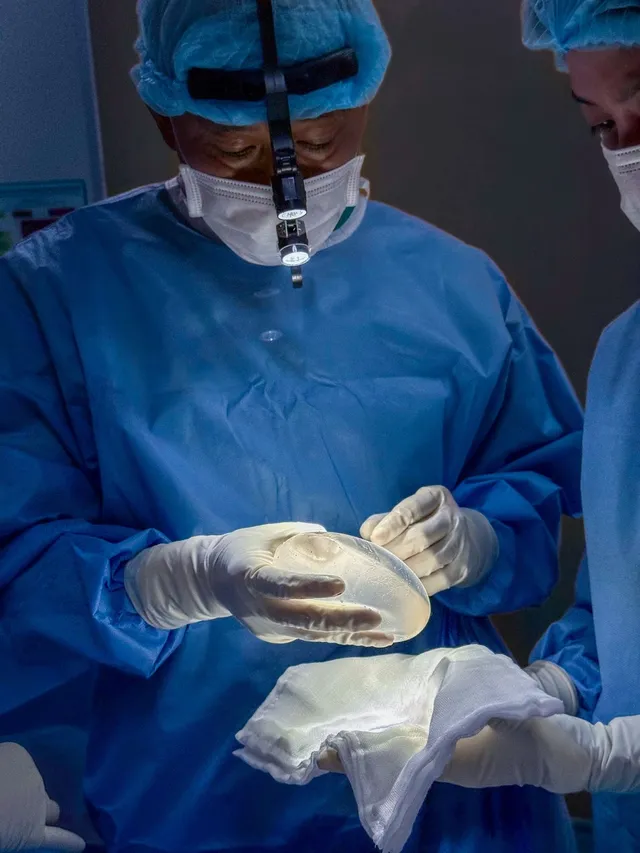
According to MSc., MD Ho Cao Vu, common complications following breast augmentation surgery include:
Breast hematoma
Hematoma of the breast may occur immediately after surgery due to pocket dissection and inadequate intraoperative hemostasis. If the amount of fluid–blood is minimal and diluted, it may be reabsorbed by the body. However, in cases of significant bleeding or clot formation beyond the body’s ability to absorb, hematoma will develop.
Breast infection
Most postoperative infections arise between the third and seventh day after surgery, although some may present at a later stage. Recognizable symptoms include reduced appetite, altered taste sensation, fever, breast pain, erythema, or swelling.
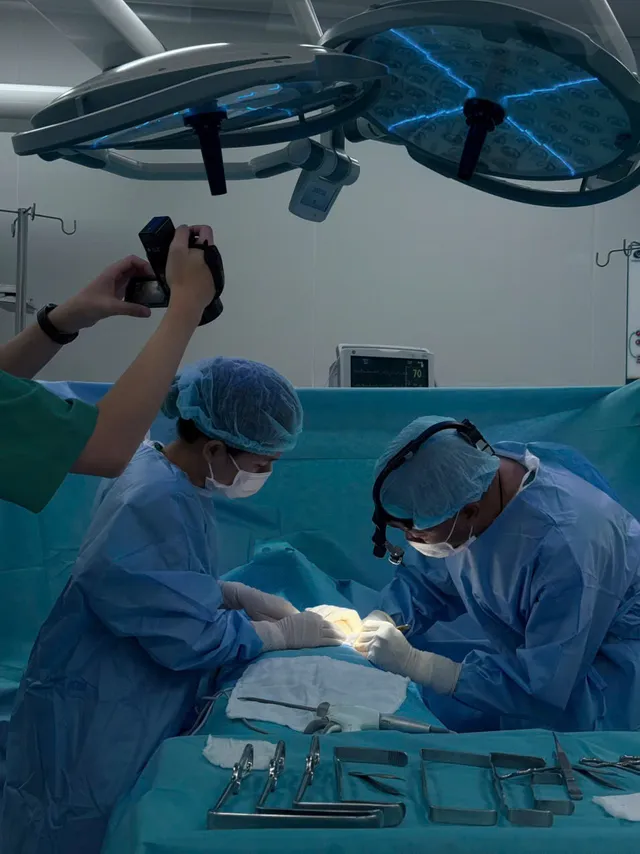
Dr. Vu advises that upon noticing these symptoms, patients should consult a specialist for timely assessment. If antibiotic therapy fails to control the infection, surgical intervention is required to irrigate the site, perform bacterial culture to identify the causative agent, debride infected or necrotic tissue, insert drainage, and explant the implant.
Capsular Contracture After Breast Augmentation
Capsular contracture is a common complication associated with breast augmentation. It refers to the condition in which one or both breasts become firm, and depending on severity, it may cause pain or visible breast distortion. In grades I and II capsular contracture, the breasts may still feel soft and are often difficult to detect without clinical evaluation. Accurate diagnosis requires experienced breast surgeons in combination with imaging, particularly magnetic resonance imaging (MRI) using breast-specific coils. In cases of grade III or IV capsular contracture, symptoms typically include significant pain, visible distortion, and breast tightness, making clinical diagnosis more straightforward. After implant placement, patients should be evaluated both in standing and lying positions. Breast softness and contour should be monitored regularly for 6 to 12 months following surgery. Persistent firmness over time may indicate capsular contracture or pseudocapsule formation following breast augmentation.
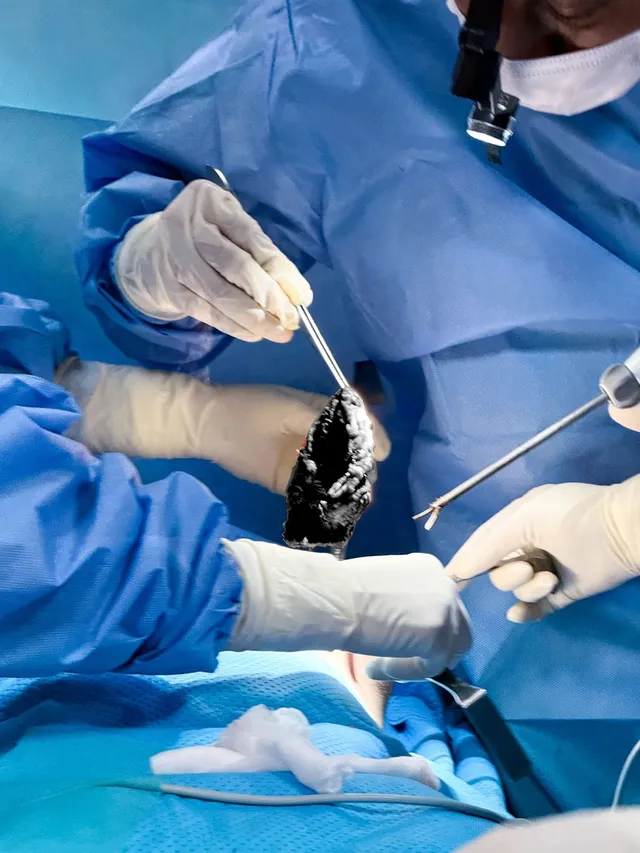
Breast pain accompanied by swelling, fluid accumulation, or a palpable mass may indicate the presence of anaplastic large cell lymphoma (ALCL) — a rare disease associated with breast implants, particularly textured implants. Patients should be referred to a multidisciplinary team involving specialists in breast disease, oncology, and reconstructive surgery for accurate diagnosis, staging, and treatment planning. This typically includes explantation of the implant and affected capsule, along with appropriate oncologic management.
Breast Implant Rupture
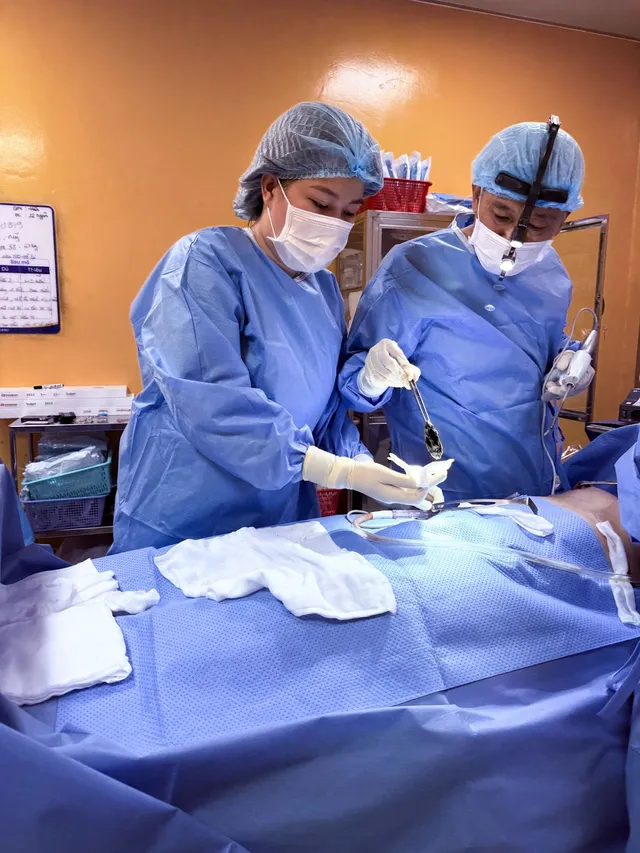
In cases of implant rupture, patients may not notice immediately, as most implant ruptures occur silently and without obvious symptoms. Magnetic resonance imaging (MRI) with breast-specific coils is the most accurate and effective method for detecting implant rupture. In some cases, signs of rupture may include a noticeable reduction in breast volume, changes in breast shape or symmetry, or sharp pain.
Dr. Ho Cao Vu emphasizes that although rare, mortality during breast augmentation surgery is a serious and unfortunate complication. As the procedure requires general anesthesia, patients must undergo comprehensive preoperative evaluations, including clinical examination, diagnostic testing, and assessment of underlying medical conditions and surgical risks. In light of the widespread promotion of so-called "painless breast augmentation" techniques, patients are advised to carefully verify information about the surgical method, the anesthesia team, the postoperative care system, and whether the facility has a fully equipped ICU to manage emergencies should complications arise during surgery as well as to review details regarding the medications used in the postoperative period.
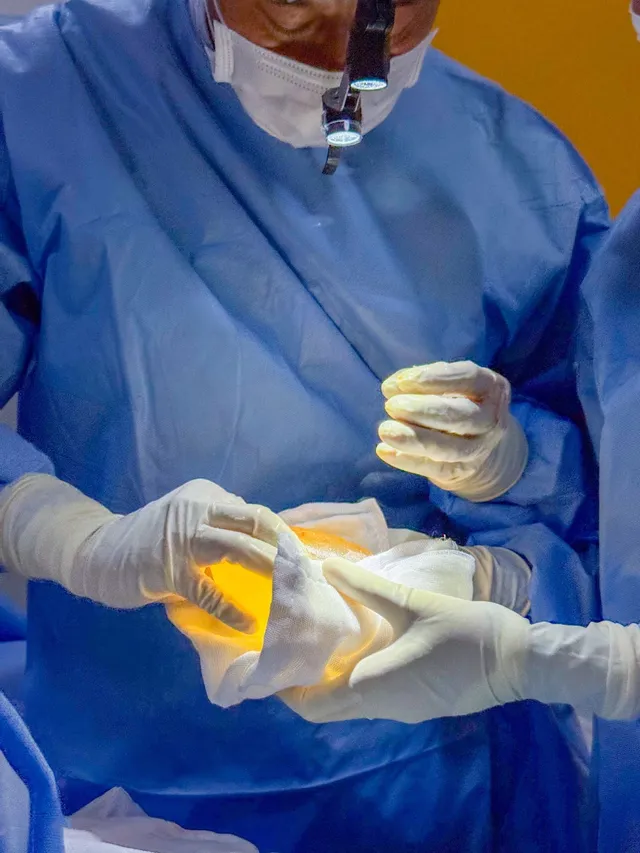
“To avoid unexpected complications during breast augmentation, patients should choose a reputable clinic, a qualified and experienced surgeon, and review full-length videos of the exact surgical technique performed by the chosen surgeon before making a decision,” Dr. Vu advises.
Dr. Vu also notes that breast augmentation using blunt dissection combined with electrocautery for hemostasis carries a higher risk of bleeding, tissue trauma, fibrosis, and excessive fluid accumulation in the pocket. In contrast, the use of the Ultrasonic Surgical Scalpel, combined with a precision-point dissection technique during tissue dissection, allows for superior bleeding control and minimizes trauma to surrounding tissue, especially the lymphatic system, with high surgical precision, faster postoperative recovery, and significantly reduced intraoperative and postoperative complications.
Tags:

More News





43 NGUYEN CHI THANH STREET - BA DINH DISTRICT - HA NOI - VIET NAM
Editor-in-chief: VU THANH THUY
Deputy Editor-in-chief: NGUYEN THI MY HANH, PHAM QUOC THANG, NGUYEN TRONG NINH
Email: toasoan@vtv.vn
Tel: +84 66 897 897
Copyright, VTV News, Vietnam Television (VTV).
Licence No. 483/GP-BTTTT dated December 29, 2023 by the Ministry of Information and Communications.

