Student competition highlights new approaches to sustainable packaging in Vietnam
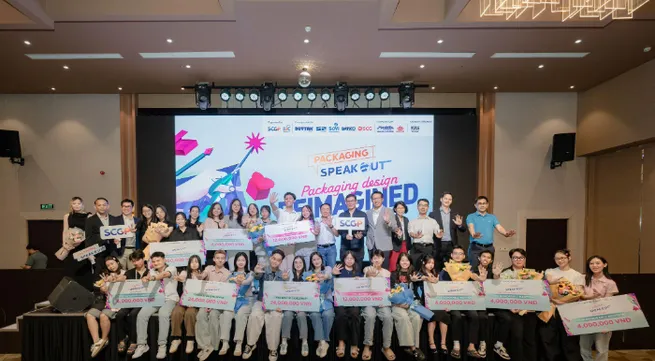
The event aimed to promote innovative and practical approaches to packaging design, especially those that align with sustainability goals and reflect cultural relevance.
Held under the theme "Packaging Design Reimagined", the competition attracted over 100 university students nationwide. Participants engaged in a multi-week process that included workshops, hands-on training, and project development guided by professionals from SCGP and industry partners. This year’s design briefs focused on two major Vietnamese consumer seasons: the Lunar New Year (Tết) and the Mid-Autumn Festival.
In the Tết category, team Hippoo presented a gift box concept titled "Tết Đoàn Viên" (Reunion Tết), inspired by traditional Huế architecture and Hàng Trống folk art. The design incorporated cultural elements such as glazed tile patterns, spring-themed paintings, and swallow motifs symbolizing unity and good fortune. The packaging emphasized both aesthetics and environmental responsibility, using biodegradable materials and encouraging reuse.
For the Mid-Autumn category, team LUcK introduced "Vương Nguyệt – Moonlit Royal Night", a giftset that blends fashion, interactivity, and eco-consciousness. The packaging can be repurposed as a handbag, photo frame, or children’s toy, reflecting principles of reuse and sustainability while maintaining visual appeal.
Over the course of the competition, students were challenged to address a variety of real-world packaging issues, from material selection and product protection to user experience and environmental impact. The program also included a two-day bootcamp and mentorship sessions with packaging experts.
In parallel with the competition, a seminar was held with the participation of over 200 students, faculty, and professionals. Speakers from SCGP, the VDAS Design Association, and Starprint Vietnam discussed current trends in the packaging industry, including the role of design in influencing consumer behavior, the integration of digital technologies, and the importance of environmentally responsible production practices.
The seminar emphasized that packaging today plays a larger role than product protection—it serves as a platform for brand storytelling, cultural expression, and sustainability communication. Discussions also touched on challenges facing the next generation of designers, including the need to balance creativity with ethical and environmental considerations.
Now in its fourth year, Packaging Speak Out has evolved into a platform that links education with real-world application, offering students an opportunity to explore design within the context of industry demands and sustainability goals. The 2025 edition underscored the growing interest among young creatives in shaping the future of packaging through innovation and socially responsible design.
Tags:

More News




43 NGUYEN CHI THANH STREET - BA DINH DISTRICT - HA NOI - VIET NAM
Editor-in-chief: VU THANH THUY
Deputy Editor-in-chief: NGUYEN THI MY HANH, PHAM QUOC THANG, NGUYEN TRONG NINH
Email: toasoan@vtv.vn
Tel: +84 66 897 897
Copyright, VTV News, Vietnam Television (VTV).
Licence No. 483/GP-BTTTT dated December 29, 2023 by the Ministry of Information and Communications.

