Meaningful travel in Vietnam: Destinations where tourism benefits local communities
According to Booking.com’s latest Travel & Sustainability Research, 78% of Vietnamese travellers want the money they spend while travelling to go back to local communities. At the same time, 85% seek authentic experiences that reflect the culture of their destinations.
These two priorities are deeply connected. Experiences rooted in local knowledge, traditions and ways of life can give travellers a deeper understanding of a destination while generating income for the communities that bring those experiences to life. Booking.com, one of the world’s leading digital travel platforms, highlights destinations across Vietnam where travellers can connect with local traditions while supporting the people who preserve them.
Lung Tam Village (Tuyen Quang): Home to a centuries-old H’Mong linen-weaving tradition
28% of Vietnamese travellers say they have joined a tour or activity through which they learned about or interacted with local Indigenous people or cultures. Lung Tam illustrates the depth of insight such encounters can offer. Here, linen is closely tied to H’Mong identity and spiritual beliefs, with each piece passing through 41 intricate stages-from weaving and indigo-dyeing to applying symbolic beeswax motifs-before completion. The Lung Tam Linen Weaving Cooperative has expanded from 10 members to over 100 local workers, primarily women. Tourism provides these artisans with a wider audience and crucial revenue, keeping this traditional craft vibrant and sustainable.
Tra Que Vegetable Village (Da Nang): Cultivating a centuries-old farming heritage
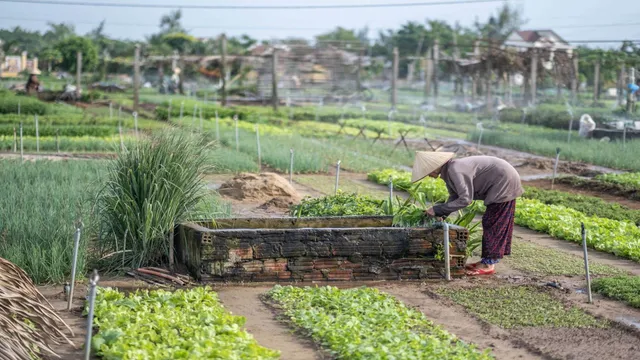
Dating back to the 16th century, Tra Que remains a active agricultural community shaped by the fertile soil between the Co Co River and Tra Que Lagoon. Across 18 hectares, more than 300 farmers from 200 households cultivate around 20 varieties of organic herbs and vegetables. Tourism here builds on the village’s existing way of life rather than replacing it: everyday knowledge of the soil, seasons and cultivation becomes a source of cultural exchange and additional income. This allows farming to remain economically viable while giving local people a direct role in deciding how their heritage is shared.
Sa Dec Flower Village (Dong Thap): A century of cultivating flowers above the water
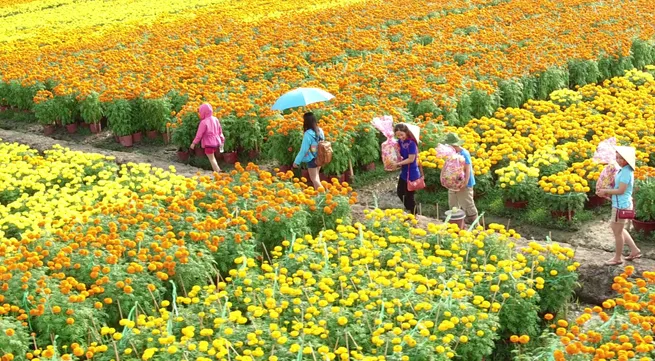
Centuries of tradition define the beauty of Tan Quy Dong, better known as Sa Dec Flower Village. Nourished by the Tien River’s fertile alluvium, its 85 hectares support over 2,000 varieties of flowers and ornamental plants. To adapt to the Mekong Delta’s waterlogged conditions, farmers cultivate plants on raised wooden platforms, navigating between rows by boat. This unique agricultural practice attracts visitors while direct sales and tourism provide farming households with sustainable revenue.
Thai Hai Ecological Village (Thai Nguyen): UN Tourism Award-Winning Heritage Site
Recognized by UN Tourism as one of the Best Tourism Villages 2022, Thai Hai is a preserved eco-village of over 30 traditional Tay ethnic stilt houses. More than four generations of Tay families live in the village communally. Tourism income directly supports the community’s efforts to preserve the Tay language, then singing, traditional medicine and organic agriculture.
Lo Lo Chai Village (Lung Cu, Tuyen Quang): Where community tourism keeps local heritage alive
Situated near Vietnam’s northernmost point, Lo Lo Chai was named one of UN Tourism’s Best Tourism Villages 2025, selected from more than 270 applications worldwide. This recognition highlights the village’s successful approach to community-based tourism, which boosts local livelihoods while protecting Lo Lo culture and centuries-old rammed-earth architecture. More than 50 of the village’s 120 households actively participate in community-based tourism, adapting historic homes into family-run homestays without compromising their traditional aesthetic. Staying here directs tourism income directly to the families preserving this cultural landscape.
Tags:

More News




43 NGUYEN CHI THANH STREET - BA DINH DISTRICT - HA NOI - VIET NAM
Editor-in-chief: VU THANH THUY
Deputy Editor-in-chief: NGUYEN THI MY HANH, PHAM QUOC THANG, NGUYEN TRONG NINH
Email: toasoan@vtv.vn
Tel: +84 66 897 897
Copyright, VTV News, Vietnam Television (VTV).
Licence No. 483/GP-BTTTT dated December 29, 2023 by the Ministry of Information and Communications.

