Experiencing the Smart City of Incheon – Inspiration for the Future of Urban Development in Vietnam
From G Tower to A View Toward the City of the Future

The World Journalists Conference recently held in Incheon, South Korea. Photo: Nhat Hoa
As part of the “World Journalists Conference 2025”, we experienced firsthand a place where technology and humanity coexist. The most significant stop on the journey was the G Tower, an iconic building located in the Songdo district, part of the Incheon Free Economic Zone (IFEZ) – a strategic development area planned to promote innovation and attract international investment.
Here, we were introduced to how a modern city is run by technology – an integrated model of multi-layered data and intelligent systems.
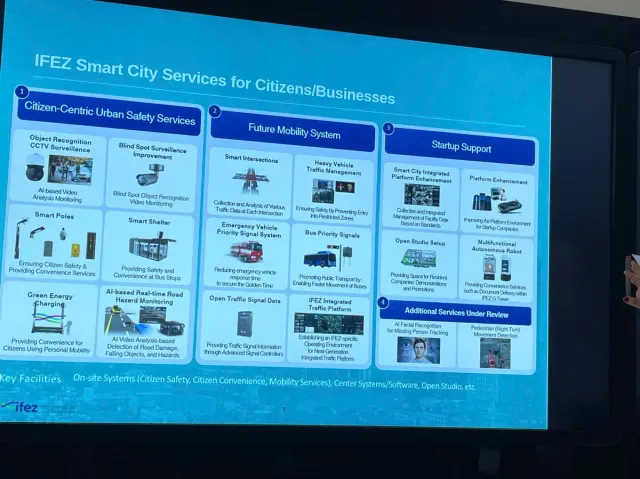
How a modern city is managed by technology. Photo: Nhat Hoa
The AI-powered security monitoring system uses thousands of cameras combined with artificial intelligence to detect unusual movement, identify potentially dangerous behavior, and help respond to emergencies swiftly and accurately. Beyond surveillance, the system analyzes behavior, locates subjects, and sends immediate alerts to the central command center.
Smart traffic management is another layer of operations, where traffic lights are dynamically adjusted based on traffic flow and specific situations, helping reduce congestion and prioritize emergency vehicles like ambulances and fire trucks. Major roads are monitored in real-time by sensors and cameras, allowing for efficient traffic coordination.
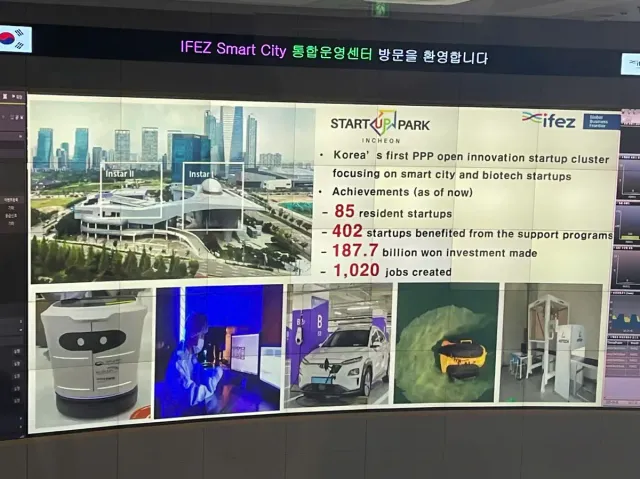
At the Smart City Control Center. Photo: Nhat Hoa
A standout feature is the 3D Digital Twin model – a digital replica of the entire Incheon urban space, where infrastructure, population, traffic, and environmental data are visually simulated and updated in real time. This model not only supports urban operation monitoring but also helps forecast hypothetical scenarios such as flooding, fires, or traffic congestion for timely resource allocation.
In addition, Incheon is developing an open platform (Open Lab/Startup Park) that supports dozens of startups in fields such as biotechnology, smart cities, and autonomous robotics. These startups can test their products directly in a real urban environment – where data, space, and infrastructure are shared in a controlled manner, shortening development cycles and creating practical solutions for everyday life.
Maintaining Warmth in the Flow of Technology
Technology can make cities run more smoothly, safely, and efficiently – but one lingering question remains: Can smart systems replace human empathy, or should they simply support it? When designing cities with technology, it’s equally important to maintain emotional warmth of the living spaces – so that citizens not only receive good service but also feel heard and understood.
Moreover, in a digitally run city, vulnerable groups – the elderly, low-income populations, and those unfamiliar with technology – must be protected from the risk of being left behind. Smart infrastructure should go hand-in-hand with smart social solutions to ensure that no one is forgotten in the modern landscape.
Architecture That Creates Necessary Breathing Spaces
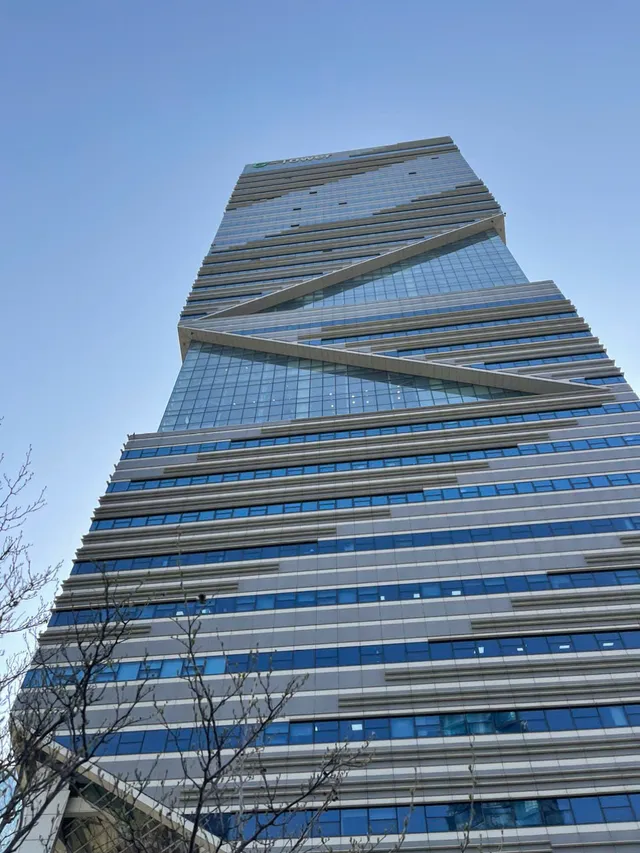
G Tower. Photo: Nhat Hoa
One notable aspect of Incheon, especially in the Songdo district, is how the city uses architectural design and urban planning to create essential quiet spaces amid the hustle and bustle of modern life. The central lake, airy walkways, and public spaces interwoven between skyscrapers – even if green areas aren’t densely packed – contribute to comfort, helping residents recharge and find balance between the city’s constant motion and personal rest.
Inspiration for Developing Cities in Vietnam
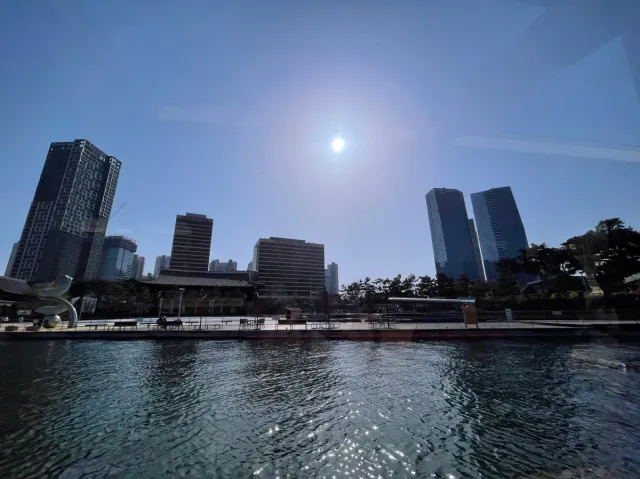
The lake in the heart of the city on the way to G Tower – The smart city operation center. Photo: Nhat Hoa
The story of Incheon shows that: a smart city begins not with technology, but with a development philosophy that puts people first. Technology is merely a tool, people are the true focus.For Vietnam – where urbanization is accelerating – the lessons of Incheon are not about racing to adopt advanced technologies, but about choosing models that suit the context, culture, and accessibility of the local population. A livable city knows how to pause and listen – to data, to the environment, and to its people.
Tags:

More News





43 NGUYEN CHI THANH STREET - BA DINH DISTRICT - HA NOI - VIET NAM
Editor-in-chief: VU THANH THUY
Deputy Editor-in-chief: NGUYEN THI MY HANH, PHAM QUOC THANG, NGUYEN TRONG NINH
Email: toasoan@vtv.vn
Tel: +84 66 897 897
Copyright, VTV News, Vietnam Television (VTV).
Licence No. 483/GP-BTTTT dated December 29, 2023 by the Ministry of Information and Communications.

