August 30, 1945: King Bao Dai abdicates
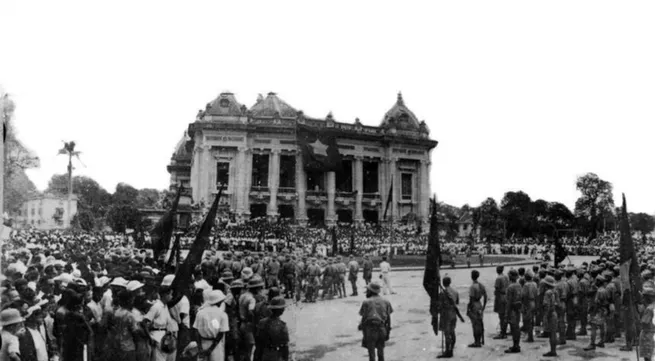
The abdication ceremony was held at Ngo Mon Gate in Hue at 4 p.m., witnessed by tens of thousands of compatriots.
Emperor Bao Dai, the last king of the feudal regime of Viet Nam, wearing royal robes, read the "Abdication Decree" (written on August 25, 1945), asked to become a citizen of an independent and democratic Viet Nam, and presented the golden seal and the golden sword studded with jewels of the royal court to Tran Huy Lieu (head of the delegation).
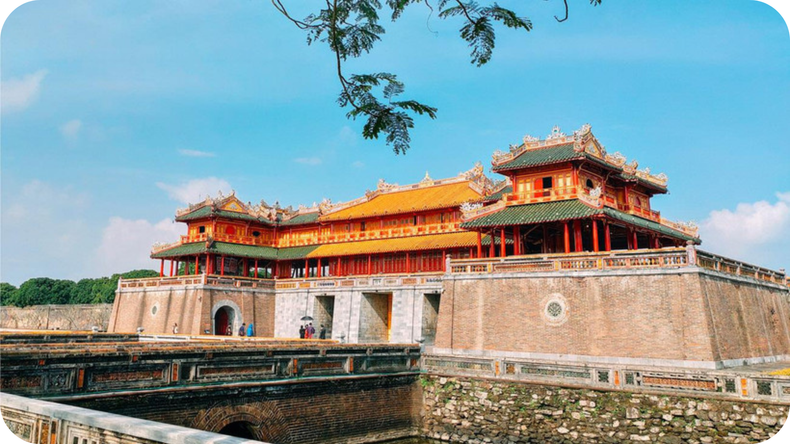
Ngo Mon Gate of the Hue Imperial Citadel, where King Bao Dai’s abdication ceremony was held at 4 p.m. on August 30, 1945. (Photo: Minh Duy)
The representative of the Provisional Government of Viet Nam declared the abolition of the monarchy in Hue, as well as throughout the entire territory of Viet Nam, and announced the policy of the Democratic Republic of Viet Nam.
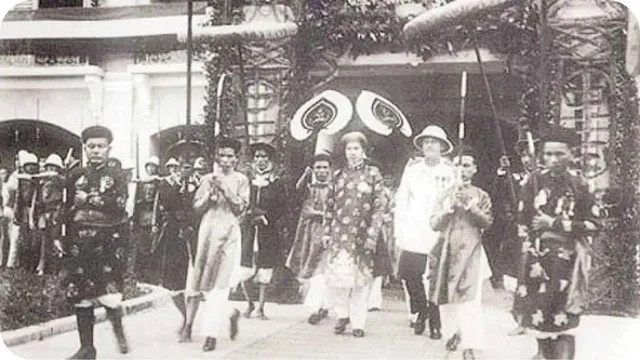
King Bao Dai, the last monarch of the feudal regime that had existed for thousands of years in Viet Nam, abdicated on the afternoon of August 30, 1945, opening a new chapter in the nation’s history. (Photo: VNA)
Bao Dai’s abdication also eliminated an indication that the imperialist and reactionary forces wanted to maintain the monarchy and use it to plot against the revolutionary government and re-establish domination over the country.
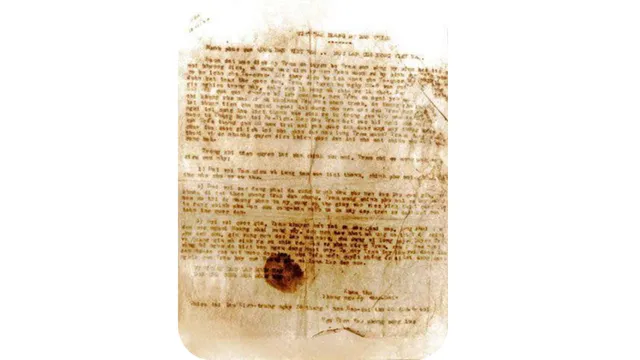
King Bao Dai’s Abdication Decree, August 28, 1945. (Photo of the artefact at the Viet Nam National Museum of History)
Tags:

More News




43 NGUYEN CHI THANH STREET - BA DINH DISTRICT - HA NOI - VIET NAM
Editor-in-chief: VU THANH THUY
Deputy Editor-in-chief: NGUYEN THI MY HANH, PHAM QUOC THANG, NGUYEN TRONG NINH
Email: toasoan@vtv.vn
Tel: +84 66 897 897
Copyright, VTV News, Vietnam Television (VTV).
Licence No. 483/GP-BTTTT dated December 29, 2023 by the Ministry of Information and Communications.

